
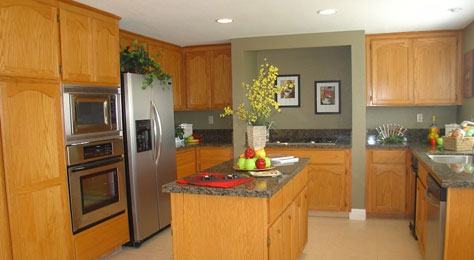
The Ultimate Easy Guide To Prepare Your Home For Sale

The Ultimate Easy Guide To Prepare Your Home For Sale If you have made the decision to sell your home and lets face it there are lot of people in that very More »

Keep Your Residence Safe From Electrical Threats

Keep Your Home Safe From Electric Threats Your residence is a risk-free place from the globe, a location to kick back as well as loosen up with household as well as close More »

2025 Kitchen Backsplash Trends: A Visual Guide to the Future of Style The kitchen backsplash has evolved from a purely functional element to a central design statement

As we look ahead to 2025, backsplash trends are embracing bold textures, sustainable materials, and artistic expression, transforming this space into a true focal point. Here are the key trends defining kitchen backsplash design for the coming year, illustrated with stunning visual examples.

1. Sculptural & 3D Textured Tiles
Move over, flat subway tiles. 2025 is all about adding depth and tactile interest with sculptural surfaces. Think tiles with geometric patterns, organic ripples, or artisanal hand-molded textures. This trend creates captivating light and shadow play, adding a dynamic, artistic layer to the kitchen.

* Visual Example: A kitchen with a backsplash of matte white, wave-patterned 3D tiles. The texture provides visual intrigue without overwhelming the space, perfectly complementing sleek, handle-less cabinetry and warm wood accents.

2. Oversized Slab Formats
Seamlessness and drama take center stage with large-format porcelain slabs. Mimicking the look of natural stone, terrazzo, or even abstract art, these slabs minimize grout lines for a clean, monolithic appearance. They create a sense of luxury and are exceptionally easy to maintain.

* Visual Example: A stunning kitchen island backdrop featuring a full-height slab of Calacatta Viola marble-look porcelain. The bold, flowing violet veins make a dramatic statement against neutral cabinetry, serving as a piece of natural art.

3. Sustainable and Recycled Materials
Eco-conscious design continues to gain momentum. Backsplashes made from recycled glass, reclaimed terracotta, or tiles with high recycled content are in high demand. These materials offer unique, often irregular beauty and tell a story of environmental responsibility.

* Visual Example: A backsplash composed of multi-hued recycled glass tiles in an emerald and cobalt fish-scale pattern. The tiles have a subtle, glossy finish that catches the light, adding a vibrant yet sustainable pop of color to a white kitchen.

4. Bold, Saturated Color
Neutrals are making room for confident color. Deep jewel tones like emerald green, sapphire blue, and burgundy are being used to create striking accent walls behind ranges or sinks. This trend injects personality and warmth, moving away from all-white or all-gray schemes.

* Visual Example: A classic shaker-style kitchen with a focal wall behind the range covered in high-gloss, forest green zellige tiles. The handmade variation in the tiles’ glaze and surface creates a rich, luminous, and deeply textured look.

5. Metallic Finishes & Accents
Warm metallics like brushed brass, copper, and antique bronze are being incorporated as accents or even primary materials. This can be achieved through metal-leaf tiles, linear metal mosaics, or tiles with metallic glazes. It adds a touch of glamour and reflects light beautifully.

* Visual Example: A modern kitchen with a backsplash of elongated, vertically stacked tiles in a soft brushed brass finish. The metallic surface interacts with both natural and pendant lighting, creating a warm, inviting glow.

6. Artistic Murals & Hand-Painted Tiles
The backsplash as a canvas. Custom-painted murals or series of hand-painted tiles are emerging as a way to showcase personal style. Themes range from botanical and landscape illustrations to abstract, contemporary art, making the kitchen uniquely personal.

* Visual Example: A minimalist kitchen where the entire backsplash area features a continuous, hand-painted ceramic mural of abstract, earthy forms in ochre, sage, and cream. It acts as a one-of-a-kind piece of artwork.

7. Mixed Materials and Layering
Why choose one? The trend of combining different materials—like pairing a stone slab with a band of textured tile, or integrating open shelving into a tiled backdrop—adds complexity and custom detail. It allows for zoning different kitchen areas visually.

* Visual Example: A kitchen with a main backsplash of light gray, large-format stone. Behind the cooktop, a vertical band of crackled, cobalt blue mosaic tiles is inset as a functional and stylish focal point, layered for visual interest.

Design Considerations for 2025:

* Balance is Key: With bold textures or colors, balance the rest of the kitchen with simpler cabinetry and countertops.
* Grout as a Design Element: Colored grout (contrasting or matching) is being used intentionally to highlight patterns or create a graphic effect.
* Extended Height: Backsplashes often extend to the ceiling or to the bottom of wall cabinets for a more substantial, integrated look.

The 2025 kitchen backsplash is an opportunity for creativity, sustainability, and personal expression. Whether you’re drawn to the tactile drama of 3D tiles, the serene luxury of a stone slab, or the vibrant personality of color, the trends offer inspiring ways to define your kitchen’s character for years to come.

IKEA Furniture Assembly Service Cost: A Comprehensive Guide

Introduction

For many, the excitement of bringing home new IKEA furniture is quickly tempered by the daunting task of assembly. While the iconic Swedish retailer is famous for its flat-pack, DIY approach, not everyone has the time, tools, or confidence to tackle those cryptic instruction manuals. Fortunately, IKEA offers professional assembly services to save you the hassle. This article breaks down the costs, options, and factors to consider when deciding whether to assemble it yourself or hire a pro.

Understanding IKEA’s Official Assembly Service

IKEA partners with third-party service providers to offer in-home assembly. The cost is not a flat rate but is calculated as a percentage of your total furniture purchase price.

* Standard Rate: The most common pricing model is a percentage of the total value of the items to be assembled. This typically ranges from 8% to 12.5%, depending on your location and the service provider. For example, assembling a 0 PAX wardrobe system could cost between and .50.
* Minimum Fee: There is almost always a minimum service charge, often around to , even for a single small item.
* How It Works: You can add assembly at checkout online, via the IKEA app, or in-store at the Services Desk. A certified technician from their partner network will then schedule a time to assemble the furniture in your home.

What’s Included: The service includes full assembly, placement of the item in the desired room, and removal of all packaging materials. It generally does not include disassembly of old furniture, electrical work (for lighting), or mounting items to walls that require heavy-duty anchoring into studs (though basic mounting may be included for certain products).

Factors That Influence the Final Cost

  • 1. Item Complexity::
  • A simple LACK side table will cost far less to assemble than a complex KITCHEN cabinet system or a multi-piece sectional sofa.

  • 2. Quantity of Items::
  • The percentage-based model means the total bill scales with your purchase. Buying an entire bedroom set will result in a higher assembly fee than a single dresser.

  • 3. Your Location::
  • Service costs vary by region due to differences in labor rates and logistics. Assembly in a major metropolitan area will often be at the higher end of the percentage range.

  • 4. Accessibility::
  • If assembly is required in a room with tight corners, narrow staircases, or other challenges, it may impact the quote or require additional fees.

    Alternative Assembly Options

    IKEA’s official service is not your only choice. Several alternatives can be more flexible or cost-effective:

    * TaskRabbit (IKEA’s Primary Partner in Many Regions): IKEA has a deep integration with TaskRabbit. You can book a “Tasker” directly through IKEA’s website or the TaskRabbit app. Rates are set by the independent Tasker (typically – per hour), giving you more transparency. You pay for the time the job takes, which can be cheaper for complex items if the Tasker is efficient.
    * Independent Handyman Services: Local handymen or assembly specialists often advertise IKEA assembly. Rates are usually hourly ( – 0/hour) or per item. Always check reviews and confirm they are insured.
    * Freelance Platforms: Sites like Thumbtack or Angi allow you to post your job and receive quotes from multiple local professionals.

    DIY vs.

    Professional Assembly: Making the Right Choice

    Choose DIY Assembly If:
    * You enjoy building things and have basic tools (Allen keys, screwdrivers, a hammer).
    * You are on a strict budget and want to avoid any additional costs.
    * The item is relatively simple (e.g., a bookshelf, small table).
    * You have the time and patience to follow instructions carefully.

    Opt for Professional Assembly If:
    * The item is large, heavy, or complex (e.g., a large wardrobe, kitchen installation, sofa bed mechanism).
    * Your time is valuable, and you’d rather spend an afternoon relaxing than assembling furniture.
    * You lack the physical ability, proper tools, or confidence to ensure a safe, sturdy build.
    * You want a guaranteed professional result, especially for items that will see heavy daily use.

    Tips for a Smooth Assembly Service Experience

  • 1. Get a Quote in Advance::
  • Whether through IKEA or a third party, always confirm the total cost before booking.

  • 2. Prepare the Space::
  • Clear the room, ensure there is adequate lighting, and have the flat-pack boxes in the correct room. This helps the assembler work efficiently.

  • 3. Inspect All Parts::
  • Before the assembler arrives, do a quick check to ensure all boxes, parts, and hardware are present and undamaged.

  • 4. Ask About Insurance::
  • Verify that the service provider is insured for any potential damage to your furniture or home during assembly.

  • 5. Read Reviews::
  • For independent assemblers, check their ratings and reviews specifically for IKEA furniture assembly.

    Conclusion

    The cost of IKEA furniture assembly is a variable investment in convenience, time, and peace of mind. While IKEA’s official percentage-based service offers simplicity, exploring partners like TaskRabbit or local handymen can provide competitive hourly rates. By weighing the complexity of your furniture against your own budget, skills, and available time, you can make an informed decision that ensures your new IKEA purchase is a source of joy, not frustration. Remember to factor this potential service cost into your overall furniture budget for a truly stress-free shopping experience.

    Support us!

    If you like this site please subscribe