
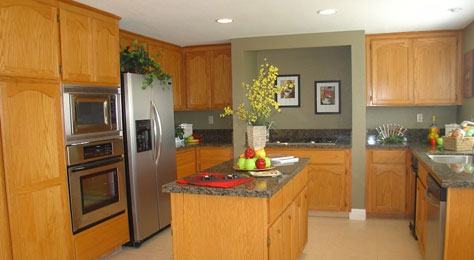
The Ultimate Easy Guide To Prepare Your Home For Sale

The Ultimate Easy Guide To Prepare Your Home For Sale If you have made the decision to sell your home and lets face it there are lot of people in that very More »

Keep Your Residence Safe From Electrical Threats

Keep Your Home Safe From Electric Threats Your residence is a risk-free place from the globe, a location to kick back as well as loosen up with household as well as close More »

The Ultimate Tool Kit for Furniture Assembly: A Comprehensive Guide Assembling furniture can be a daunting task, whether you’re a first-time apartment dweller or a seasoned homeowner

The difference between a smooth, successful build and a frustrating, wobbly disaster often comes down to one thing: having the right tools. Investing in a well-curated tool kit is not just about convenience; it’s about efficiency, safety, and ensuring your furniture is sturdy and built to last. This guide will walk you through the essential components of the best tool kit for furniture assembly.

Why a Dedicated Assembly Kit Matters

Most flat-pack furniture comes with a small, basic wrench or Allen key. While these can work in a pinch, they are often low-quality, uncomfortable to use for extended periods, and inefficient. A proper tool kit reduces assembly time, minimizes physical strain on your hands and wrists, and provides the precision needed to avoid stripping screws or damaging materials.

The Core Essentials:

Your Non-Negotiable Basics

Every furniture assembly toolkit should start with these fundamental items:

  • 1. Cordless Drill/Driver::
  • The single biggest game-changer. Look for a compact, lightweight model (12V is often sufficient) with variable speed and a clutch. The clutch prevents over-tightening and stripping screw heads. This tool turns minutes of manual screwing into seconds.

  • 2. Driver Bit Set::
  • Your drill is useless without the right bits. A comprehensive set should include:
    * Phillips (1, 2, 3): The most common head for furniture screws.
    * Flathead/Slotted: For less common screws.
    * Hex/Allen Bits: In metric sizes (like 3mm, 4mm, 5mm) to replace the provided L-keys. A magnetic bit holder is a valuable addition.

  • 3. Quality Hex Key Set (Allen Wrenches)::
  • While your drill bits will handle most hex screws, a good set of T-handle or folding L-key wrenches is essential for tight spaces and final adjustments. They offer better torque and leverage than the flimsy included versions.

  • 4. Adjustable Wrench or Small Socket Set::
  • Crucial for tightening bolts and nuts, which are common in beds, desks, and shelving units. A 6-inch adjustable wrench is versatile, while a small socket set (¼-inch drive) offers superior grip and speed.

  • 5. Rubber Mallet::
  • For gently tapping dowels, joining pieces, or adjusting components without marring the wood or laminate finish. Never use a metal hammer directly on furniture.

  • 6. Claw Hammer::
  • For any tasks requiring a traditional hammer, like installing wall-anchor kits for securing bookcases or cabinets.

  • 7. Screwdrivers (Phillips & Flathead)::
  • Sometimes you need the finesse and control of a manual screwdriver for small parts or delicate areas where a drill is too powerful.
    8. Pliers:
    * Needle-Nose Pliers: For gripping small nuts, inserting pins, or retrieving dropped hardware from impossible spaces.
    * Locking Pliers (e.g., Vise-Grip): Acts as a portable vise to hold parts steady or clamp pieces together during glue-up.

    The Advanced Arsenal:

    For the Serious Assembler

    If you frequently tackle complex projects or want a truly professional result, consider adding these:

  • 1. Torpedo Level::
  • A small, magnetic level is perfect for ensuring shelves, frames, and wall-mounted units are perfectly horizontal and vertical before final tightening.

  • 2. Measuring Tape::
  • A 16-foot retractable tape is ideal for checking dimensions, planning layouts, and ensuring proper placement.

  • 3. Punch Awl or Center Punch::
  • To create a small starter indentation for screws, preventing the drill bit from “walking” and scratching the surface.

  • 4. Magnetic Parts Tray::
  • Keeps all the tiny screws, bolts, and cam locks organized and prevents them from rolling away or getting lost. A simple bowl works, but a magnetic tray is a minor upgrade with major benefits.

  • 5. Safety Glasses::
  • Always protect your eyes from flying debris, spring-loaded parts, or accidental slips.

    Pro-Tips for Assembly Success

    * Read the Instructions First: Scan the entire manual before touching any parts. Identify all hardware and components.
    * Organize & Sort: Lay out parts in a clear space. Use your parts tray to separate and identify different screws and bolts as per the manual.
    * Work on a Soft Surface: Use a carpet, rug, or cardboard to protect the finish of your furniture pieces during assembly.
    * Don’t Over-Tighten: This is the most common mistake. Tighten until the joint is snug and firm. Over-tightening can strip screws, crack particle board, or warp the furniture.
    * Assemble in the Right Room: Build large items (like beds or wardrobes) in the room where they will live to avoid struggling with them through doorways.

    Recommended Kit Strategy

    For most people, the best approach is to purchase a mid-range cordless drill combo kit (which often includes a basic set of bits) and then supplement it with a high-quality “mechanics” or “homeowner” tool set that contains the wrenches, sockets, screwdrivers, and pliers. This is often more cost-effective and higher quality than a single “furniture assembly” branded kit.

    Conclusion

    Building your furniture doesn’t have to be a test of patience and willpower. By assembling a dedicated, high-quality tool kit, you transform the process from a chore into a quick, satisfying DIY project. The right tools empower you to build with confidence, ensuring your furniture is safe, stable, and ready to serve you well for years to come. Invest once in your toolkit, and enjoy a lifetime of hassle-free assembly.

    DIY Mold Removal from Bathroom Tiles: A Step-by-Step Guide Mold in the bathroom is a common and persistent problem

    The warm, humid environment provides the perfect breeding ground for unsightly and potentially harmful mold and mildew, especially on grout lines and tile surfaces. While professional remediation is necessary for severe infestations, most surface mold on bathroom tiles can be tackled effectively with a do-it-yourself approach. This guide will walk you through safe, proven methods to restore your bathroom to a clean, healthy state.

    Understanding the Enemy:

    Mold vs. Mildew

    First, it’s important to identify what you’re dealing with. Mildew is a surface fungus, typically flat, powdery, and gray or white, turning black or brown. Mold is often fuzzier, raised, and can be black, green, red, or blue. Both thrive in moisture and can cause health issues like allergic reactions and respiratory problems. The cleaning principles for both are similar.

    Safety First:
    * Ventilate: Open windows and turn on the exhaust fan.
    * Protect Yourself: Wear rubber gloves, safety goggles, and an N-95 mask, especially if you have mold allergies or are using strong chemicals.
    * Never Mix Chemicals: Combining cleaners like bleach and ammonia creates toxic, dangerous fumes.

    Method 1:

    The Classic Bleach Solution (For Non-Porous Surfaces)

    Bleach is highly effective at killing surface mold on *non-porous* surfaces like ceramic and porcelain tiles. Important: It may not penetrate porous grout to kill roots and can fade colored grout.

    What you need:
    * Chlorine bleach
    * Water
    * Spray bottle
    * Stiff-bristled brush (an old toothbrush works for grout)
    * Measuring cup

    Instructions:

  • 1. Dilute::
  • Mix 1 part bleach with 3 parts water in your spray bottle.

  • 2. Apply::
  • Spray the solution generously onto the moldy tile and grout. Avoid overspray on fabrics or other surfaces.

  • 3. Wait::
  • Let it sit for 10-15 minutes to penetrate and kill the mold.

  • 4. Scrub::
  • Use your brush to scrub the grout lines and tile vigorously. The mold should lift away easily.

  • 5. Rinse::
  • Thoroughly rinse the area with clean water.

  • 6. Dry::
  • Use a clean towel or squeegee to remove all moisture. Remember, a dry bathroom is a mold-resistant bathroom.

    Method 2:

    Natural & Effective: Distilled White Vinegar

    Vinegar is a mild acid that can kill about 82% of mold species, is non-toxic, and won’t produce harmful fumes. It’s a great alternative for those avoiding harsh chemicals.

    What you need:
    * Distilled white vinegar
    * Spray bottle
    * Baking soda (for extra scrubbing power)
    * Brush

    Instructions:

  • 1. Apply::
  • Pour undiluted white vinegar into a spray bottle. Spray it directly onto the moldy areas.

  • 2. Wait::
  • Allow it to sit for at least one hour. For tough mold, you can leave it overnight.

  • 3. Scrub::
  • Scrub the area with your brush. For stubborn spots, make a paste with baking soda and a little water, apply it to the grout, and scrub.

  • 4. Rinse & Dry::
  • Rinse well with water and dry completely.

    Method 3:

    Hydrogen Peroxide for Stain Lifting

    Hydrogen peroxide (3% solution) is an excellent antifungal and antiviral agent that also helps lift stains without the harshness of bleach.

    What you need:
    * 3% Hydrogen Peroxide
    * Spray bottle
    * Brush

    Instructions:

  • 1. Apply::
  • Spray the hydrogen peroxide directly onto the moldy surface.

  • 2. Wait::
  • Let it bubble and sit for 10-15 minutes.

  • 3. Scrub::
  • Scrub the area to lift the mold and stains.

  • 4. Rinse & Dry::
  • Rinse thoroughly and dry.

    Method 4:

    Commercial Mold Removers

    For a ready-made solution, look for EPA-registered mold and mildew removers at your local hardware store. These are formulated specifically for the job. Always follow the manufacturer’s instructions on the label for application, dwell time, and safety.

    Post-Removal:

    Prevention is Key

    Removing mold is only half the battle. Preventing its return is crucial.

  • 1. Control Humidity::
  • Run the bathroom exhaust fan for at least 30 minutes after showering. Consider using a dehumidifier if humidity is a constant issue.

  • 2. Wipe Down Surfaces::
  • Use a squeegee or towel to wipe down shower walls and doors after each use.

  • 3. Fix Leaks Promptly::
  • Repair any leaky faucets, showerheads, or pipes immediately.

  • 4. Improve Airflow::
  • Keep bathroom doors open when not in use and ensure vents are unblocked.

  • 5. Regular Cleaning::
  • Incorporate a weekly bathroom wipe-down with a vinegar or mild disinfectant solution to prevent spore buildup.

    When to Call a Professional

    If the mold covers an area larger than 10 square feet, keeps returning despite your efforts, or if you suspect it’s growing behind tiles or under flooring (often indicated by a musty smell or warping), it’s time to call a professional mold remediation specialist. They have the tools and expertise to handle deep-seated infestations safely.

    Conclusion

    With the right tools, techniques, and a focus on prevention, removing mold from your bathroom tiles is a manageable DIY task. By addressing moisture and maintaining a consistent cleaning routine, you can keep your bathroom sparkling clean, healthy, and mold-free.

    Support us!

    If you like this site please subscribe