
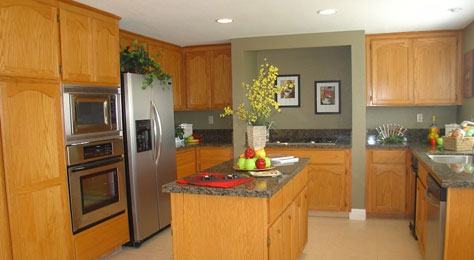
The Ultimate Easy Guide To Prepare Your Home For Sale

The Ultimate Easy Guide To Prepare Your Home For Sale If you have made the decision to sell your home and lets face it there are lot of people in that very More »

Keep Your Residence Safe From Electrical Threats

Keep Your Home Safe From Electric Threats Your residence is a risk-free place from the globe, a location to kick back as well as loosen up with household as well as close More »

Heated Bathroom Floor Installation Cost: A Comprehensive Guide

Introduction
Transforming your bathroom into a warm, welcoming retreat is a popular home improvement goal. A heated bathroom floor, often considered a luxury upgrade, provides exceptional comfort and can even improve energy efficiency. If you’re considering this upgrade, understanding the total installation cost is crucial. This guide breaks down the factors, price ranges, and long-term value of installing radiant floor heating in your bathroom.

What is a Heated Bathroom Floor?

A heated bathroom floor, or radiant floor heating, involves installing a system of electric cables or hydronic (water-based) tubing beneath the floor surface. This system radiates heat upward, warming the floor tiles and the room evenly, eliminating cold spots and providing a cozy underfoot experience.

Key Factors Influencing Installation Cost
The total cost of installing a heated bathroom floor is not a single figure; it depends on several variables:

1. Type of System:
* Electric (Mat or Cable Systems): The most common and cost-effective choice for bathroom remodels. It uses thin electric heating elements installed in a mat or as loose cables over the subfloor.
* Hydronic (Water-Based Systems): Uses a network of PEX tubing circulating warm water from a boiler or water heater. More complex and expensive to install, it’s typically chosen for whole-house heating or large-scale renovations.

  • 2. Bathroom Size and Layout::
  • Cost is largely calculated per square foot. A larger bathroom requires more materials. Complex layouts with many corners, fixtures, or odd shapes increase labor time and may require custom mat cutting or cable planning.

  • 3. Flooring Type and Preparation::
  • The system is installed under the final floor covering. Tile and stone are ideal conductors. Proper subfloor preparation, including leveling and installing an uncoupling membrane, may add to the cost.

  • 4. Labor Costs::
  • Professional installation is highly recommended for both system safety and optimal performance. Labor rates vary by region, contractor expertise, and the complexity of the job (e.g., integrating with existing electrical systems or a boiler).

  • 5. Thermostat and Controls::
  • A basic manual thermostat is included in most estimates. Upgrading to a programmable, Wi-Fi-enabled, or floor-sensing thermostat adds cost but improves energy savings and convenience.

  • 6. Existing Infrastructure::
  • For electric systems, ensuring your electrical panel can handle the new circuit is essential. For hydronic systems, access to a boiler and the complexity of tying into it are major cost factors.

    Detailed Cost Breakdown

    Electric Radiant Floor Heating
    * Materials: – per square foot. This includes the heating mats/cables, thermostat, and installation supplies.
    * Labor: – per square foot.
    * Total Installed Cost: – per square foot on average.
    * Typical Bathroom Example: A standard 50-square-foot bathroom would typically cost between 0 and ,500 for a professionally installed electric system.

    Hydronic Radiant Floor Heating
    * Materials: – + per square foot for tubing, manifolds, and insulation.
    * Labor: – + per square foot due to the plumbing complexity.
    * Total Installed Cost: – + per square foot.
    * Typical Bathroom Example: Installing hydronic heat in a 50 sq. ft. bathroom as a standalone project is less common and can be cost-prohibitive (,500 – ,000+). It is more cost-effective when done as part of a whole-house system or major renovation.

    Additional Cost Considerations
    * Electrical Work: Adding a new dedicated circuit may cost 0 – 0.
    * Subfloor Preparation: Leveling or adding an underlayment can add – per square foot.
    * Permits: Local building permits may be required, typically ranging from to 0.
    * Thermostat Upgrade: A smart thermostat can add 0 – 0 to the project.

    Long-Term Value and Operating Costs
    * Energy Efficiency: Radiant heat is efficient, especially when paired with a programmable thermostat. Electric systems are 100% efficient at point of use, while hydronic systems can be very efficient when paired with a modern boiler or heat pump.
    * Operating Cost: For an average bathroom, an electric system may add – to your monthly electric bill during the heating season, depending on climate and use. Hydronic systems are generally cheaper to operate if they are part of an efficient central system.
    * Home Value: This upgrade is a desirable amenity that can increase your home’s appeal and resale value, particularly in colder climates.

    DIY vs.

    Professional Installation
    While DIY electric mat kits are available (starting around 0-0 for materials), professional installation is strongly advised. A certified electrician ensures the system is correctly installed, meets local codes, and is safely integrated into your home’s electrical system, protecting your investment and your home.

    Conclusion
    The cost to install a heated bathroom floor typically ranges from 0 to ,500, with most homeowners spending around ,000 to ,800 for a professionally installed electric system in a standard-sized bathroom. While the upfront cost is an investment, the payoff comes in the form of unparalleled daily comfort, potential energy savings, and increased home value. To get the most accurate estimate, obtain quotes from 2-3 licensed and insured contractors who specialize in radiant heating. They can assess your specific bathroom, discuss your goals, and provide a detailed breakdown, helping you step into a warmer, more luxurious bathroom experience.

    Murphy Bed Installation Requirements: A Comprehensive Guide Murphy beds, also known as wall beds or fold-down beds, are ingenious space-saving solutions that have gained immense popularity in modern homes, apartments, and studios

    Their ability to transform a room from a bedroom to a living area in seconds is undeniably appealing. However, a successful and safe Murphy bed installation hinges on meeting specific requirements. Proper planning and adherence to these guidelines are crucial to ensure functionality, safety, and longevity.

    1. Structural Wall Requirements

    This is the most critical non-negotiable requirement. A Murphy bed must be anchored to a load-bearing wall stud structure.

    * Stud Type & Spacing: The bed must be securely bolted into vertical wooden or metal studs. Standard stud spacing is 16 inches on center (OC), though some beds can accommodate 24-inch spacing with specific mounting hardware. You must locate and verify the stud layout before purchase and installation.
    * Solid Mounting: The mounting hardware must penetrate the drywall/plaster and anchor directly into the studs. Anchoring solely into drywall using hollow-wall anchors is absolutely insufficient and dangerous, as it cannot support the dynamic load of a folding bed and a sleeping person.
    * Avoiding Plumbing & Electrical: Careful stud-finding is also necessary to avoid drilling into plumbing pipes or electrical wiring running through the walls.

    2. Space and Clearance Requirements

    A Murphy bed needs room to fold down and up safely.

    * Floor Space: You must have clear floor space in front of the bed unit equal to the length of the mattress when folded down, plus a few extra inches for maneuvering. For a queen-size bed, this typically means at least 7-8 feet of clear length.
    * Side Clearance: Ensure there is adequate space on either side of the bed cabinet when it is in the upright position. This is especially important for models with side-mounted mechanisms that require operational clearance.
    * Ceiling Height: Standard Murphy beds require a minimum ceiling height, usually around 8 to 9 feet, to allow the bed to swing down without hitting the ceiling. Low-ceiling models are available for spaces with ceilings as low as 7.5 feet.

    3. Room Dimensions and Layout

    Consider the entire room’s function.

    * Permanent Furniture: Account for other furniture that will remain in place when the bed is down. Ensure there is a logical flow and that doors, closets, and pathways are not obstructed.
    * Ventilation & Outlets: Do not block HVAC vents, radiators, or electrical outlets with the bed cabinet. Plan the placement accordingly.

    4. Mechanism and Hardware

    The quality of the bed’s mechanism is paramount for safety and ease of use.

    * Piston-Assisted Mechanism: Modern Murphy beds use heavy-duty gas piston mechanisms (similar to those on hatchback cars) to counterbalance the weight, making lowering and raising the bed smooth and effortless. Ensure the mechanism is rated for the size and weight of your mattress and bedding.
    * Professional-Grade Hardware: All bolts, brackets, and screws provided must be robust and designed specifically for the significant load and repetitive motion.

    5. Professional Installation vs. DIY

    * Professional Installation: Highly Recommended. Professional installers have the experience, tools, and knowledge to locate studs accurately, ensure perfect leveling, and securely mount the unit. They can also handle unexpected obstacles within the wall. Many reputable Murphy bed companies require or strongly recommend professional installation to validate the warranty.
    * DIY Installation: This is only advisable for individuals with advanced carpentry, cabinetry, and home renovation skills. You must be completely confident in your ability to find and secure into studs, manage the heavy weight of the unit during mounting, and follow complex instructions precisely. A mistake can lead to property damage or serious injury.

    6. Additional Considerations

    * Flooring: The bed should be installed on a level, solid floor. Consider how the legs or base will interact with your flooring type (hardwood, tile, carpet).
    * Mattress Type: Use only the recommended mattress type and weight. Standard innerspring, memory foam, or hybrid mattresses are common, but very thick or excessively heavy mattresses may strain the mechanism.
    * Building Codes & Permits: For permanent installations, especially in rental properties or condominiums, check if your local building code requires a permit. Always consult your landlord or homeowners’ association (HOA) before installation.
    * Warranty: Understand the manufacturer’s warranty terms. Improper installation on non-structural walls or by an unqualified person will almost certainly void the warranty.

    Conclusion

    A Murphy bed is a significant investment in your space and comfort. By meticulously verifying your wall structure, ensuring adequate clearances, and opting for professional installation, you guarantee a safe, reliable, and transformative addition to your home. Never compromise on the structural requirements—safety must always be the top priority. With proper planning and execution, your Murphy bed will provide years of efficient and convenient space-saving utility.

    Support us!

    If you like this site please subscribe