
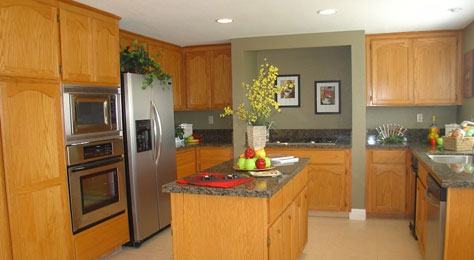
The Ultimate Easy Guide To Prepare Your Home For Sale

The Ultimate Easy Guide To Prepare Your Home For Sale If you have made the decision to sell your home and lets face it there are lot of people in that very More »

Keep Your Residence Safe From Electrical Threats

Keep Your Home Safe From Electric Threats Your residence is a risk-free place from the globe, a location to kick back as well as loosen up with household as well as close More »

How to Build a Retaining Wall with Railroad Ties Retaining walls are essential landscape features that prevent soil erosion, create usable flat spaces on sloped terrain, and add visual structure to a yard

While materials like concrete blocks and natural stone are popular, railroad ties offer a rustic, durable, and often more affordable alternative. Their substantial size allows for quicker construction of taller walls. However, building with railroad ties requires careful planning and execution due to their weight and potential environmental considerations.

Important Preliminary Note: Modern railroad ties are often treated with chemical preservatives like creosote, which can be toxic. For any project near gardens or areas frequented by children and pets, it is highly recommended to seek out “new, non-treated” landscape timbers or recycled composite timbers designed to mimic the look of railroad ties. Always wear gloves, long sleeves, and a dust mask when handling old railroad ties.

Planning & Safety

  • 1. Check Local Regulations::
  • Before you begin, contact your local building department. Many municipalities have codes governing retaining walls over a certain height (often 3-4 feet), which may require a permit or professional engineering.

  • 2. Call Before You Dig::
  • In the U.S. and Canada, always call 811 or your local utility locating service at least a few days before digging. They will mark the location of underground lines for free.

  • 3. Design Your Wall::
  • Determine the wall’s length, height, and layout. A wall taller than 3-4 feet requires advanced techniques and professional consultation. For stability, the wall should lean slightly back into the hill (a “batter” of about 1 inch for every foot of height).

    Materials & Tools
    Materials:
    * Railroad ties or suitable landscape timbers
    * Drainage gravel (¾-inch crushed stone)
    * Landscape fabric (non-woven geotextile)
    * Deadmen anchors (for walls over 3 feet): extra railroad ties cut to 4-5 ft lengths
    * Rebar pins (12-18 inch lengths, ½-inch diameter)
    * Galvanized spikes (12-inch landscape spikes) or large lag bolts

    Tools:
    * Shovel, spade, and digging bar
    * Tape measure, level, and string line
    * Circular saw or chainsaw (with a sharp blade for treated wood)
    * Sledgehammer
    * Drill with a long wood bit (for pre-drilling spike holes)
    * Plate compactor or hand tamper
    * Wheelbarrow

    Step-by-Step Construction Guide

    Step 1:

    Excavate the Trench
    Mark the front line of your wall with string and stakes. Dig a level trench along this line. The trench should be wide enough to accommodate the full width of your tie and deep enough to bury the first course (layer) by at least one-third of its height. For a standard 7-inch tall tie, dig a trench about 4-6 inches deep. The trench base must be perfectly level and compacted.

    Step 2:

    Establish Drainage and Foundation
    Line the back of the trench (the side against the hill) with landscape fabric, allowing excess to drape up the excavated slope. Fill the trench with 2-3 inches of drainage gravel and compact it thoroughly. This gravel bed is critical for preventing water from pooling under the ties, which causes rot and heaving.

    Step 3:

    Lay the First Course
    Place your first railroad tie in the trench on the gravel bed. Check for level from front to back and side to side. Use gravel to shim and adjust until it is perfectly level. This course sets the stage for the entire wall, so take your time.

    Step 4:

    Secure the Ties and Build Up
    * Drill and Spike: For each subsequent tier, stagger the vertical joints like bricks for strength. Pre-drill holes at an angle through the new tie and into the one below. Drive 12-inch galvanized spikes through the holes to pin the ties together. Use at least two spikes per tie, positioned about one foot from each end.
    * Anchor with Rebar: For additional lateral stability, drive 12-18 inch rebar pins vertically through pre-drilled holes in the ties and into the ground below. Space these pins every 3-4 feet along the wall.
    * Install Deadmen (For Walls Over 3 Feet): Every 6-8 feet along the wall, install a “deadman”—a tie that extends perpendicularly back into the hillside. Bury it in a trench and spike it securely to the face ties. This acts as an anchor, tying the wall into the stable soil behind it.

    Step 5:

    Install Backfill and Drainage
    As you build each course, immediately backfill behind the wall with drainage gravel. Do not use native soil. The gravel layer should be at least 6-12 inches thick directly behind the wall. Wrap the landscape fabric over the gravel to prevent soil from clogging the drainage zone. Continue this process—lay a course, backfill with gravel, compact—until you reach the final height.

    Step 6:

    Cap the Wall (Optional)
    A final “cap” tie can be spiked horizontally along the top of the wall for a finished look. You can use a full tie or cut one lengthwise for a smaller cap.

    Step 7:

    Final Grading
    Once the wall is complete, backfill the remaining area behind the gravel drainage zone with native soil. Slope the final grade slightly away from the top of the wall to direct surface water runoff away from the structure.

    Long-Term Maintenance
    * Inspect Annually: Check for signs of bulging, leaning, or rot.
    * Ensure Proper Drainage: Keep weep holes (if installed) or the gravel base clear of debris.
    * Address Vegetation: Prevent tree and large shrub roots from growing into the wall structure.

    Conclusion
    Building a retaining wall with railroad ties is a demanding but rewarding DIY project that can transform a sloped, unusable area into a beautiful and functional landscape feature. By prioritizing a solid, level foundation, robust internal drainage, and secure mechanical fastening, you can construct a wall that is both strong and enduring. Always prioritize safety, don’t hesitate to seek help with heavy lifting, and consider professional advice for taller or complex walls. With careful work, your railroad tie retaining wall will serve your property for decades.

    A Homeowner’s Guide: Safe and Effective DIY Mold Removal from Bathroom Tiles

    Discovering mold on your bathroom tiles is a common yet unsettling experience. This unwelcome guest thrives in the damp, warm, and poorly ventilated environments that bathrooms naturally provide. Beyond being an eyesore, mold can pose health risks, particularly for those with allergies or respiratory issues. The good news is that for most surface-level mold, a professional cleaner isn’t immediately necessary. With the right approach and a few household staples, you can reclaim your bathroom’s sparkle and hygiene. This guide will walk you through the safe and effective methods for a DIY mold removal project.

    Understanding Your Enemy: What is Bathroom Mold?

    Mold is a type of fungus that reproduces via tiny, airborne spores. In the bathroom, it typically appears as black, green, or pinkish speckles or streaks, most commonly in grout lines, on silicone caulking, and in corners. While the black variety is often the most concerning to homeowners, it’s crucial to identify the extent. This guide focuses on surface mold that has not caused structural damage to walls or subflooring.

    Safety First: Essential Precautions

    Before you begin, your safety is paramount. Mold spores can become airborne during cleaning and may cause irritation.

    • Ventilation: Open a window and turn on the exhaust fan to ensure a constant flow of fresh air.
    • Protective Gear: Wear rubber gloves, safety goggles, and an N-95 respirator mask to protect your skin, eyes, and lungs.
    • Containment: If the mold is widespread, consider sealing off the bathroom from other rooms with plastic sheeting to prevent spore migration.

    Your DIY Mold Removal Toolkit

    You likely already have the most effective mold-fighting agents in your home. Here are the top choices:

    • Distilled White Vinegar: A natural and non-toxic acid that kills about 82% of mold species.
    • Hydrogen Peroxide (3% Solution): An effective antifungal and antiviral agent that is less harsh than bleach.
    • Baking Soda: A mild, safe abrasive that scrubs away stains and deodorizes.
    • Bleach (as a last resort): While effective at surface whitening, bleach does not kill mold roots on porous surfaces like grout and can release harmful fumes. It is best used sparingly and with extreme ventilation.
    • Essential Tools: A stiff-bristled brush (an old toothbrush is perfect for grout), a spray bottle, a bucket, and clean cloths.

    Step-by-Step Removal Process

    Method 1: The Vinegar & Baking Soda Power Combo (Recommended)

    1. Apply the Vinegar: Pour undiluted white vinegar into a spray bottle. Generously spray the affected tiles and grout, ensuring they are thoroughly saturated. Avoid rinsing.
    2. Let it Sit: Allow the vinegar to work its magic for at least one hour. This gives the acid time to penetrate and kill the mold at its root.
    3. Scrub with Baking Soda Paste: Create a paste by mixing baking soda with a small amount of water. Using your stiff-bristled brush, scrub the paste onto the grout and tiles. The paste acts as a gentle abrasive to lift the dead mold and stains.
    4. Rinse Thoroughly: Use a clean, damp cloth or a splash of water to rinse the area completely.
    5. Dry: Wipe the surface dry with a clean towel to remove any residual moisture.

    Method 2: Using Hydrogen Peroxide

    1. Spray and Soak: Pour standard 3% hydrogen peroxide into a spray bottle (it can be used undiluted). Spray it directly onto the moldy surface.
    2. Wait and Watch: Let it sit for 10-15 minutes. You will likely see it bubbling as it attacks the mold.
    3. Scrub and Rinse: Scrub the area vigorously with your brush to remove the mold, then rinse well with water.

    Prevention: The Ultimate Cure

    Removing mold is only half the battle; preventing its return is key to a healthy bathroom.

    • Maximize Ventilation: Always run the exhaust fan during and for at least 30 minutes after a shower. If you don’t have a fan, open a window.
    • Wipe Down Surfaces: After showering, use a squeegee or towel to wipe down wet tiles, glass doors, and walls.
    • Fix Leaks Promptly: Address any leaking faucets, showerheads, or pipes immediately to eliminate hidden moisture sources.
    • Use a Dehumidifier: In particularly humid climates, a small dehumidifier can help maintain optimal moisture levels.
    • Regular Cleaning: A weekly spray-and-wipe with a vinegar solution can prevent mold spores from ever taking hold.

    When to Call a Professional

    If the mold covers a large area (generally more than 10 square feet), keeps returning despite your best efforts, or if you suspect it has spread behind walls or under flooring, it is time to call a certified mold remediation specialist. They have the equipment and expertise to handle severe infestations safely.

    By following these steps, you can effectively tackle bathroom mold, ensuring your sanctuary remains not only beautiful but also a healthy environment for you and your family.

    Support us!

    If you like this site please subscribe