
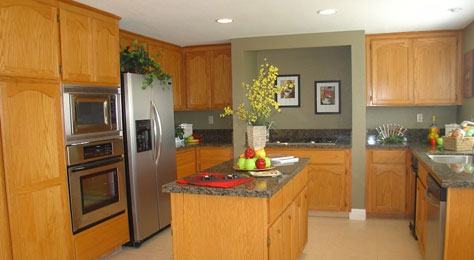
The Ultimate Easy Guide To Prepare Your Home For Sale

The Ultimate Easy Guide To Prepare Your Home For Sale If you have made the decision to sell your home and lets face it there are lot of people in that very More »

Keep Your Residence Safe From Electrical Threats

Keep Your Home Safe From Electric Threats Your residence is a risk-free place from the globe, a location to kick back as well as loosen up with household as well as close More »

Elliptical Machine Assembly Mistakes to Avoid

Assembling an elliptical machine at home can be a rewarding experience, but it also comes with potential pitfalls. A single misstep during assembly can lead to poor performance, instability, or even safety hazards. To ensure a smooth setup and long-lasting functionality, avoid these common elliptical machine assembly mistakes.

1. Skipping the Instruction Manual

Many users assume they can assemble an elliptical without reading the manual, relying instead on intuition. However, each model has unique specifications, and skipping the instructions can result in incorrect bolt tightening, misaligned parts, or missing components. Always follow the manufacturer’s guidelines step by step.

2. Not Organizing Parts Beforehand

Elliptical machines come with numerous screws, bolts, washers, and brackets. Failing to sort and identify them before assembly can lead to confusion, misplaced parts, or using incorrect fasteners. Lay out all components and refer to the parts list to ensure nothing is missing.

3. Over-Tightening or Under-Tightening Bolts

Improper torque on bolts can cause structural weaknesses or damage threads. Over-tightening may strip screws or crack plastic components, while under-tightening can lead to wobbling and instability. Use the recommended tools (usually an Allen wrench or adjustable spanner) and tighten bolts securely without excessive force.

4. Ignoring Proper Alignment

Misaligned rails, pedals, or flywheels can cause uneven motion, excessive noise, or premature wear. Double-check that all moving parts are correctly aligned before finalizing assembly. If the machine feels jerky or unbalanced, revisit the alignment steps.

5. Neglecting Lubrication

Some elliptical machines require lubrication on moving parts like rails or joints. Skipping this step can increase friction, leading to squeaky operation and faster wear. Check the manual for lubrication points and use the recommended lubricant.

6. Incorrectly Installing Electronic Components

If your elliptical has a console or sensors, improper wiring can lead to malfunction. Ensure all cables are securely connected and routed away from moving parts to prevent pinching or disconnection during use.

7. Failing to Test Before Full Use

After assembly, test the elliptical at a slow pace to check for unusual noises, instability, or resistance. Address any issues immediately rather than risking damage during intense workouts.

8. Disregarding Safety Checks

Before regular use, verify that:
– All bolts are secure
– The machine is on a level surface
– Handlebars and pedals are stable
– Emergency stop features (if available) function properly

Final Thoughts

Proper assembly is crucial for performance, durability, and safety. By avoiding these common mistakes, you can ensure a smooth and trouble-free elliptical machine experience. If unsure, consult the manufacturer’s support or consider professional assembly services.

Would you like any modifications or additional details on specific assembly steps?

How to Reassemble Dismantled Furniture: A Step-by-Step Guide Moving or storing furniture often requires disassembly, but putting it back together can be a challenge

Whether you’re dealing with flat-pack furniture or previously assembled pieces, proper reassembly ensures stability and longevity. Follow this step-by-step guide to efficiently and safely reassemble your dismantled furniture.

1. Gather the Right Tools and Materials

Before starting, ensure you have:

  • Screwdrivers:
  • (Phillips and flathead)

  • Allen wrenches/hex keys:
  • (common in flat-pack furniture)

  • Hammer:
  • (for dowels or nails)

  • Wood glue:
  • (optional, for added stability)

  • Soft mallet:
  • (to avoid damaging surfaces)

  • All original screws, bolts, and hardware:
  • (check for missing pieces)

    2. Organize the Parts

    Lay out all components in an open workspace. Group similar parts together and refer to:
    – The original assembly instructions (if available)

  • Labels or markings:
  • on pieces (common in IKEA-style furniture)

  • Photos:
  • taken during disassembly (helpful for complex items)

    3. Follow the Correct Assembly Sequence

    Most furniture follows a logical order:

  • 1. Reattach legs, frames, or base structures:
  • first.

  • 2. Secure larger panels:
  • (e.g., shelves, sides, or tabletops).

  • 3. Install drawers, doors, or sliding mechanisms:
  • last.

    Avoid overtightening screws early—adjustments may be needed as you progress.

    4. Reinforce Weak Joints (Optional)

    For added durability:
    – Apply wood glue to dowels before insertion.
    – Use corner braces on bookshelves or cabinets.
    – Replace stripped screws with longer or thicker ones.

    5. Check for Stability

    Once assembled:

  • Rock the furniture gently:
  • to test wobbling.

  • Tighten all fasteners:
  • if needed.

  • Adjust leveling feet:
  • (if applicable) to prevent uneven surfaces.

    6. Troubleshooting Common Issues

  • Misaligned holes?:
  • Loosen nearby screws to realign.

  • Missing hardware?:
  • Visit a hardware store for replacements.

  • Stubborn drawers?:
  • Lubricate slides with wax or silicone spray.

    Final Tips

    – Work on a soft surface (like a rug) to avoid scratches.
    – Keep extra hardware in a labeled bag for future repairs.
    – If instructions are lost, search online for the model’s manual.

    By following these steps, you can efficiently reassemble furniture with confidence. Proper reassembly not only restores functionality but also extends the lifespan of your pieces.

    Would you like a more detailed breakdown for a specific type of furniture (e.g., bed frames, bookshelves)? Let me know how I can refine this guide for your needs!

    Pergola Shade Solutions for Hot Climates A pergola is a beautiful addition to any outdoor space, offering both aesthetic appeal and functional benefits

    However, in hot climates, an uncovered pergola may not provide enough relief from the intense sun. Fortunately, there are several effective shade solutions that can enhance comfort while maintaining the pergola’s stylish design.

    1. Retractable Canopies

    Retractable canopies offer adjustable shade, allowing you to control sunlight exposure throughout the day. These can be made from durable, UV-resistant fabrics that block harmful rays while allowing airflow. Motorized options provide convenience with remote or smart-home control.

    2. Shade Sails

    Shade sails are a modern and versatile option, available in various colors and shapes. Made from high-density polyethylene (HDPE) or polyester, they provide excellent UV protection while adding a contemporary look. They can be easily attached to pergola beams or nearby structures.

    3. Climbing Plants & Vines

    For a natural cooling effect, train climbing plants like wisteria, bougainvillea, or grapevines over the pergola. These plants create a living canopy that filters sunlight and lowers ambient temperatures. However, they require time to grow and regular maintenance.

    4. Pergola Roof Panels

    Solid or louvered roof panels can be installed to provide permanent shade. Polycarbonate panels are lightweight, durable, and block UV rays while allowing diffused light. Louvered systems allow adjustable ventilation, making them ideal for hot climates.

    5. Outdoor Curtains & Drapes

    Sheer or heavy-duty outdoor curtains add elegance while offering flexible shade. They can be drawn during peak sun hours and tied back when more light is desired. Choose weather-resistant fabrics to ensure longevity.

    6. Bamboo or Reed Mats

    For a rustic, eco-friendly solution, bamboo or reed mats can be laid across the pergola’s top. These materials provide natural shade and allow gentle breezes to pass through, keeping the area cool.

    7. Pergola with a Built-In Pergola Shade Cloth

    Shade cloths, typically made from woven polyethylene, are an affordable and effective way to reduce heat. They come in different densities (measured in UV-blocking percentages) and can be easily attached using hooks or grommets.

    Choosing the Right Solution

    When selecting a pergola shade solution, consider factors such as durability, maintenance, and aesthetic preference. Combining multiple methods—such as a retractable canopy with climbing vines—can maximize comfort and visual appeal.

    By integrating these shade solutions, your pergola can become a cool, inviting retreat even in the hottest climates. Whether you prefer modern technology or natural elements, there’s an option to suit every need and style.

    Would you like recommendations for specific materials or brands?

    Refrigerator Coil Cleaning Frequency: A Guide to Optimal Maintenance


    Introduction

    Refrigerators are essential appliances in modern households, ensuring food stays fresh and safe. However, many homeowners overlook a critical maintenance task—cleaning the refrigerator coils. Dirty coils force the compressor to work harder, increasing energy consumption and potentially shortening the appliance’s lifespan. This article explains how often you should clean refrigerator coils and why it matters.

    Why Cleaning Refrigerator Coils Is Important

    Refrigerator coils (condenser coils) release heat from the refrigerant, allowing the fridge to maintain a cool interior. Over time, dust, pet hair, and debris accumulate on the coils, reducing efficiency. Consequences of neglected coils include:

  • Higher energy bills:
  • – The compressor runs longer to compensate.

  • Overheating:
  • – Excess strain can lead to premature failure.

  • Reduced cooling performance:
  • – Food may spoil faster.

    How Often Should You Clean Refrigerator Coils?

    The recommended cleaning frequency depends on several factors:

    1. Standard Recommendation

    Most manufacturers suggest cleaning refrigerator coils every 6 to 12 months. However, homes with pets or high dust levels may require every 3 to 6 months.

    2. Factors Affecting Cleaning Frequency

  • Pets:
  • – Pet hair clings to coils quickly.

  • High dust environments:
  • – Homes near construction sites or with poor air filtration need more frequent cleaning.

  • Refrigerator location:
  • – If the fridge is in a tight space or near the floor, coils collect dust faster.

    3. Self-Cleaning vs. Manual Cleaning

    Some modern refrigerators have self-cleaning coils, reducing maintenance needs. Check your owner’s manual—if your fridge lacks this feature, manual cleaning is necessary.

    How to Clean Refrigerator Coils

  • 1. Unplug the refrigerator:
  • for safety.

  • 2. Locate the coils:
  • – Typically at the back or beneath the unit (front grille models require panel removal).

  • 3. Use a coil brush or vacuum:
  • to remove dust gently.

  • 4. Wipe with a damp cloth:
  • if needed (avoid water near electrical components).

  • 5. Reassemble and plug in:
  • the fridge.

    Signs Your Coils Need Immediate Cleaning

    – The fridge runs constantly.
    – The motor feels excessively hot.
    – Cooling performance declines noticeably.

    Conclusion

    Regular refrigerator coil cleaning improves efficiency, lowers energy costs, and extends appliance life. For most households, every 6 months is ideal, but adjust based on environmental factors. A few minutes of maintenance can save hundreds in repair or replacement costs.

    By following these guidelines, you can ensure your refrigerator operates smoothly for years to come.


    Would you like any modifications or additional details?

    Tiny Bathroom Remodel Ideas Under $1000

    Introduction

    Remodeling a small bathroom doesn’t have to break the bank. With smart planning and budget-friendly updates, you can transform your tiny bathroom into a stylish and functional space for under 00. Whether you’re looking to refresh the look, improve storage, or enhance lighting, these affordable ideas will help you achieve a big impact without a major renovation.

    1. Paint for a Fresh Look

    A fresh coat of paint is one of the most cost-effective ways to update a bathroom. Light, neutral colors like soft gray, beige, or pale blue can make a small space feel larger. For a bold touch, consider an accent wall or a high-gloss finish for durability.

    Cost: –0

    2. Update Fixtures & Hardware

    Replacing outdated faucets, showerheads, cabinet knobs, and towel bars can instantly modernize your bathroom. Opt for sleek, matte black or brushed nickel finishes for a contemporary look.

    Cost: –0

    3. Install a New Mirror

    A stylish mirror can enhance both lighting and aesthetics. Choose a frameless design for a minimalist look or a decorative framed mirror to add character. For extra functionality, consider a mirrored medicine cabinet.

    Cost: –0

    4. Add Open Shelving

    Maximize storage without cluttering the space with floating shelves. They’re perfect for displaying towels, plants, and toiletries while keeping essentials within reach.

    Cost: –0

    5. Upgrade Lighting

    Brighten up your bathroom with energy-efficient LED fixtures. A modern vanity light or a small pendant can make a big difference. For added ambiance, install dimmable lights.

    Cost: –0

    6. Use Peel-and-Stick Tiles

    If your floor or backsplash looks dated, peel-and-stick vinyl or ceramic tiles offer an easy, affordable update. They come in various patterns, including subway tile and wood-look designs.

    Cost: –0

    7. Refresh the Vanity

    Instead of replacing the entire vanity, give it a makeover with paint, new hardware, or a fresh countertop. A coat of waterproof paint and modern handles can completely transform its appearance.

    Cost: –0

    8. Incorporate Space-Saving Accessories

    Use over-the-toilet storage, corner shelves, or a slim rolling cart to optimize space. Hooks and towel racks can also free up floor space.

    Cost: –0

    9. Replace the Shower Curtain & Liners

    A new shower curtain in a bold pattern or neutral tone can refresh the room instantly. Pair it with a mildew-resistant liner for longevity.

    Cost:

    10. Add Greenery & Decor

    Small plants like succulents or air plants bring life to a tiny bathroom. A framed print, woven baskets, or a stylish soap dispenser can add personality.

    Cost:

    Conclusion
    With these budget-friendly ideas, you can give your tiny bathroom a stylish upgrade without spending a fortune. Focus on high-impact, low-cost changes like paint, fixtures, and storage solutions to create a more inviting and functional space—all for under 00.

    Would you like additional tips on specific materials or DIY installation guides? Let me know how I can help further!

    Best Mulch for Vegetable Gardens in 2025

    As gardening trends evolve, choosing the right mulch for your vegetable garden remains crucial for soil health, moisture retention, and weed suppression. In 2025, sustainable and organic options continue to dominate, with innovative alternatives gaining popularity. Here’s a breakdown of the best mulch choices for thriving vegetable gardens this year.

    1. Straw or Hay

    Best for: Moisture retention, weed control, and cool-season crops.

    Straw (not hay, which may contain weed seeds) is a classic mulch for vegetable gardens. It keeps soil cool, retains moisture, and decomposes slowly, enriching the soil. Ideal for tomatoes, peppers, and leafy greens.

    2. Compost

    Best for: Nutrient-rich soil amendment.

    Well-aged compost acts as both mulch and fertilizer, improving soil structure and microbial activity. Spread a 2-3 inch layer around plants for a slow-release nutrient boost.

    3. Wood Chips or Bark

    Best for: Long-lasting mulch, perennial beds, and pathways.

    Wood chips are excellent for pathways and around fruit trees but should be used cautiously in annual vegetable beds as they can temporarily tie up nitrogen. Opt for partially decomposed chips for better results.

    4. Grass Clippings

    Best for: Quick decomposition, nitrogen boost.

    Fresh grass clippings (from chemical-free lawns) make a great mulch for nitrogen-loving plants like corn and squash. Apply in thin layers to prevent matting.

    5. Leaves (Leaf Mold or Shredded Leaves)

    Best for: Improving soil structure, moisture retention.

    Shredded leaves decompose faster than whole leaves, enriching the soil with organic matter. Great for root vegetables like carrots and beets.

    6. Living Mulch (Cover Crops)

    Best for: Erosion control, nitrogen fixation.

    Clover, vetch, or buckwheat planted between rows suppresses weeds and improves soil fertility. Best used in off-season or as an interplanting strategy.

    7. Plastic or Landscape Fabric (Synthetic Mulch)

    Best for: Weed suppression, soil warming.

    Black plastic warms soil for heat-loving crops like melons and peppers. However, it doesn’t improve soil health and should be removed after the season.

    8. Cocoa Hulls

    Best for: Aesthetic appeal, moisture retention.

    Lightweight and aromatic, cocoa hulls are great for small gardens but should be used sparingly (toxic to pets if ingested in large amounts).

    9. Pine Needles

    Best for: Acid-loving plants (e.g., blueberries, potatoes).

    Pine needles decompose slowly and help maintain slightly acidic soil conditions.

    10. Cardboard or Newspaper

    Best for: Weed suppression, biodegradable option.

    Layered cardboard or newspaper (covered with compost or straw) blocks weeds effectively and breaks down over time.

    Final Tips for Mulching in 2025

  • Replenish mulch:
  • as it decomposes.

  • Avoid over-mulching:
  • (2-4 inches is ideal).

  • Match mulch to crop needs:
  • (e.g., straw for moisture, compost for nutrients).

    By selecting the right mulch, you can boost yields, conserve water, and maintain a healthy garden ecosystem in 2025. Happy gardening!


    Would you like any modifications or additional details on specific mulch types?

    Support us!

    If you like this site please subscribe